Casino game design is a complex field that combines psychology, mathematics, and technology to create engaging and profitable games. According to research, the global online gambling market is projected to reach £66.7 billion by 2026, with the UK being one of the largest markets. To understand what makes casino games so addictive, it’s essential to explore the psychology behind their design. For more information on casino games and responsible gaming, visit the source link.
A key aspect of casino game design is the use of variable rewards, which activates the brain’s reward system and releases dopamine. This can lead to a state of continuous engagement, as players become hooked on the unpredictable nature of the rewards. For instance, a study by the University of Cambridge found that players who experienced near misses while playing slot machines were more likely to continue playing.
The Allure of Uncertainty: Variable Rewards and Dopamine
Variable rewards come in different forms, including variable ratio rewards, variable interval rewards, and fixed rewards. Each type of reward has a distinct psychological effect on players. The table below illustrates the different types of rewards and their effects:
| Reward Type | Psychological Effect | Casino Game Example |
|---|---|---|
| Fixed Reward | Predictability, lower engagement over time | Slot machine with a guaranteed small payout on every spin |
| Variable Ratio Reward | High engagement, unpredictable wins keep players hooked | Slot machine with jackpot, progressive jackpot |
| Variable Interval Reward | Moderate engagement, rewards at unpredictable time intervals | Lottery draws, promotions with random timing |
| Fixed Interval Reward | Lower engagement, rewards at predictable time intervals | Weekly bonus programs |
As shown in the table, variable ratio rewards are particularly effective in keeping players engaged, as they create an unpredictable and exciting experience. This is evident in games like Mega Moolah, a progressive jackpot slot machine that has paid out over £1 billion in prizes since its launch in 2006.
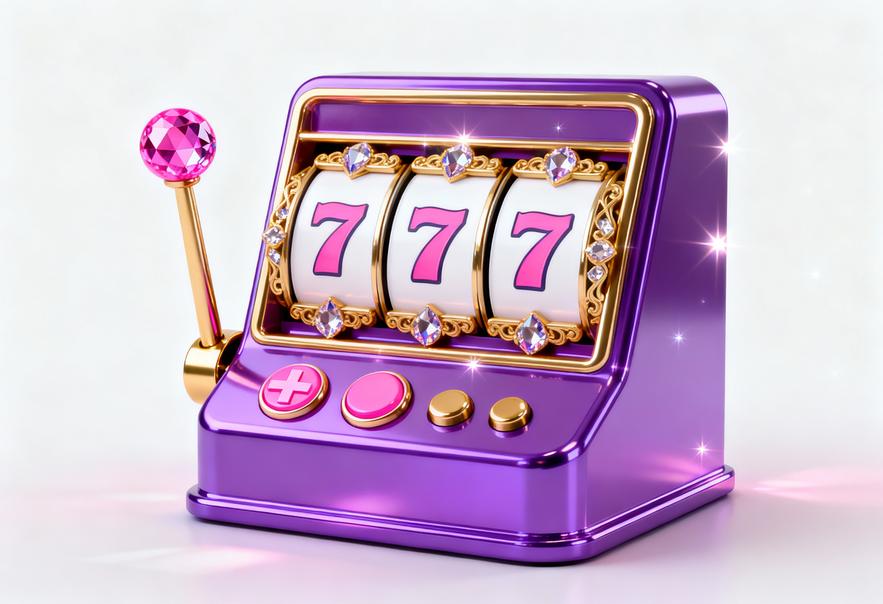
Visual and Auditory Cues: Creating an Immersive Experience
The Power of Bright Lights and Colors
Casino games often feature bright lights and colors to create an exciting and stimulating atmosphere. Research has shown that these visual cues can increase player engagement and arousal. For example, a study by the University of Nevada found that players who were exposed to bright lights and colors while playing slot machines experienced increased heart rates and blood pressure.
Sounds That Trigger Excitement and Anticipation
Sounds also play a crucial role in creating an immersive experience in casino games. Sounds like the spinning of wheels, the dealing of cards, and the notification of wins can trigger excitement and anticipation in players. For instance, the sound of a slot machine paying out a jackpot can create a sense of euphoria and encourage players to continue playing.
Near Misses: The Illusion of Almost Winning
Near misses are another visual cue used in casino games to create the illusion of almost winning. Near misses occur when a player comes close to winning, but ultimately loses. This can create a sense of frustration and encourage players to continue playing in an attempt to win. According to a study by the University of Alberta, near misses can activate the brain’s reward system and release dopamine, leading to increased engagement and motivation.
Cognitive Biases Exploited in Casino Games
Loss Aversion: The Pain of Losing Hurts More Than Winning Feels Good
Loss aversion is a cognitive bias that refers to the tendency for players to prefer avoiding losses to acquiring gains. Casino games often exploit this bias by offering small wins and large losses, creating an imbalance in the player’s perception of risk and reward. For example, a player may experience a series of small wins, followed by a large loss, leading to a net loss overall.
The Gambler’s Fallacy: Believing Past Events Influence Future Outcomes
The gambler’s fallacy is another cognitive bias that refers to the belief that past events can influence future outcomes in independent trials. Casino games often exploit this bias by creating the illusion of patterns or trends, encouraging players to make irrational decisions. For instance, a player may believe that a slot machine is “due” for a win after a series of losses, despite the fact that each spin is an independent event.
Confirmation Bias: Seeking Information That Supports Existing Beliefs
Confirmation bias refers to the tendency for players to seek information that supports their existing beliefs, while ignoring information that contradicts them. Casino games often exploit this bias by providing players with selective information, such as the frequency of wins or the size of jackpots. For example, a player may focus on the number of wins they have experienced, while ignoring the number of losses.
The Illusion of Control: Feeling Like You Have More Influence Than You Do
The illusion of control refers to the tendency for players to believe they have more control over the outcome of a game than they actually do. Casino games often exploit this bias by providing players with choices or options, such as the ability to choose which slot machine to play or which bets to place. For instance, a player may believe that they can influence the outcome of a slot machine by choosing a specific machine or using a particular strategy.
Social Influence and the Casino Environment
Observing Others Winning: The Bandwagon Effect
Social influence plays a significant role in the casino environment, with players often being influenced by the behavior and experiences of others. The bandwagon effect refers to the tendency for players to follow the actions of others, such as joining a crowded table or playing a popular game. For example, a player may be more likely to play a slot machine that has recently paid out a jackpot, believing that it is “hot” or due for another win.
The Comfort of Familiarity: Loyalty Programs and Personalized Experiences
Loyalty programs and personalized experiences are another way in which casinos use social influence to create a sense of comfort and familiarity. By offering players rewards and benefits for their loyalty, casinos can create a sense of belonging and encourage players to continue playing. For instance, a player may receive a personalized offer or bonus for playing a specific game or reaching a certain milestone.
Minimizing Inhibitions: Alcohol and Social Facilitation
Alcohol and social facilitation can also contribute to the social influence of the casino environment. By providing players with a relaxed and social atmosphere, casinos can minimize inhibitions and encourage players to take risks. For example, a player may be more likely to place a large bet or play a high-stakes game after consuming alcohol or being in a group of friends.
The Ethics of Persuasion: Responsible Game Design
Transparency and Education: Informing Players About the Odds
Responsible game design is essential for creating a fair and safe gaming experience. Transparency and education are critical components of responsible game design, as they inform players about the odds and risks associated with each game. For instance, casinos can provide players with clear and concise information about the house edge, payout percentages, and rules of each game.
Promoting Responsible Gambling: Tools and Resources for Players
Casinos can also promote responsible gambling by providing players with tools and resources to manage their gambling behavior. This can include features such as deposit limits, time limits, and self-exclusion programs. For example, a player may be able to set a daily deposit limit or exclude themselves from playing for a certain period.
Age Verification and Prevention of Underage Gambling
Age verification and the prevention of underage gambling are also essential components of responsible game design. Casinos must ensure that they are not allowing minors to play, and must take steps to prevent underage gambling. This can include implementing age verification checks, such as requiring players to provide identification or proof of age.
Author
Dr. Anya Sharma, PhD in Cognitive Psychology specializing in behavioral economics and addiction. Dr. Sharma has consulted with numerous gaming companies on responsible game design.
FAQ
Why are casino games so addictive?
Casino games are designed to be engaging and entertaining, using a combination of psychological and mathematical techniques to create an immersive experience. The use of variable rewards, visual and auditory cues, and cognitive biases can all contribute to the addictive nature of casino games.
What is “loss aversion” and how does it affect gambling?
Loss aversion refers to the tendency for players to prefer avoiding losses to acquiring gains. This can lead to a range of behaviors, including risk aversion, loss chasing, and the acceptance of poor odds. In the context of gambling, loss aversion can encourage players to continue playing in an attempt to recoup their losses, rather than accepting their losses and walking away.
How do casinos use visual and auditory cues to keep players engaged?
Casinos use a range of visual and auditory cues to create an immersive experience and keep players engaged. This can include bright lights and colors, sounds and music, and other sensory stimuli. For example, a slot machine may feature flashing lights and loud music to create a sense of excitement and anticipation.
What are some strategies for responsible gambling?
Strategies for responsible gambling include setting limits, taking breaks, and seeking support. Players can also use tools and resources provided by casinos, such as deposit limits and self-exclusion programs, to manage their gambling behavior. It’s also essential to understand the odds and risks associated with each game and to never chase losses.
Are casino games designed to be unfair?
Casino games are designed to provide a house edge, which ensures that the casino makes a profit over time. However, this does not mean that games are designed to be unfair. Reputable casinos use random number generators and other technologies to ensure that games are fair and unbiased. Players should always choose to play at licensed and regulated casinos to ensure a safe and fair gaming experience.

